

Editorial
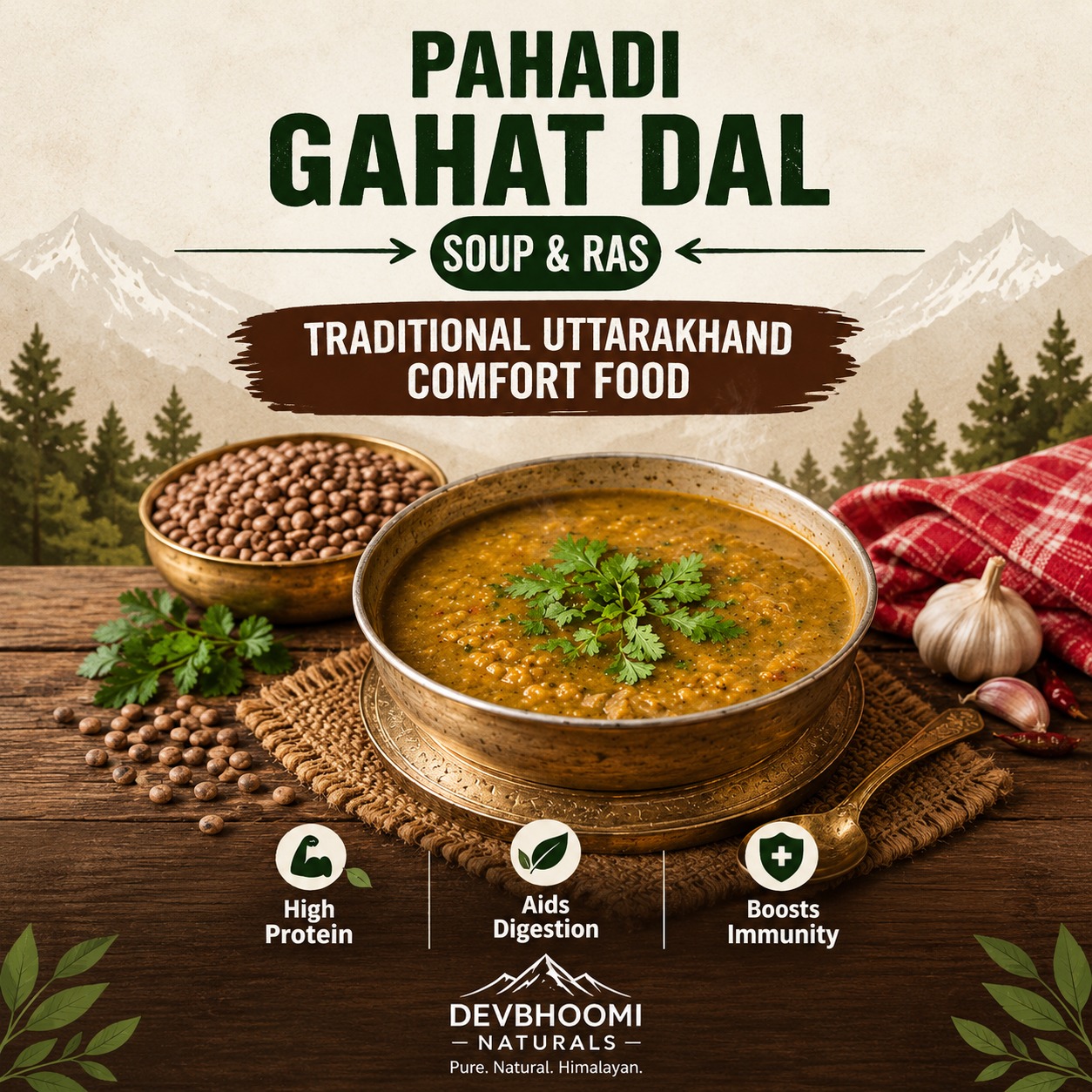
Pahadi Gahat Dal Soup (Ras) Recipe: Traditional Uttarakhand Dish
Discover the traditional Pahadi Gahat Dal Soup (Ras) recipe from Uttarakhand. Learn how to prepare this comforting Himalayan dish with horse gram, garlic and spices, along with its nutritional benefits and cooking tips.
A warm bowl of gahat dal Ras is a familiar part of traditional Uttarakhand cooking. Made with Kulthi, a small, earthy-flavoured pulse, this simple soup is especially enjoyed during colder months in mountain households.
Unlike thick lentil curries, Ras has a lighter consistency and a distinctive flavour developed through slow cooking, garlic and traditional spices. It can be enjoyed on its own or served with steamed rice.
What Is Traditional Gahat Ras?
Ras is a traditional Uttarakhand preparation made by cooking pulses and using their flavourful liquid to create a light, seasoned dish. Recipes vary between households, with some using a combination of locally available pulses.
This pahadi dal preparation reflects a practical approach to mountain cooking, where familiar ingredients are transformed into satisfying everyday meals.
The primary ingredient, horse gram, is also known as Kulthi. It has a firm texture when raw and develops a pleasantly earthy taste after thorough cooking.
Ingredients for Pahadi Gahat Soup
To prepare approximately three to four servings, gather:
-
1 cup dried Kulthi
-
4–5 cups water
-
4 garlic cloves, crushed
-
1 teaspoon cumin seeds
-
½ teaspoon turmeric powder
-
1 tablespoon mustard oil or ghee
-
Salt to taste
-
Fresh coriander for garnishing
-
Optional: 1 teaspoon rice flour for thickening
These ingredients create a simple base. You can adjust the seasoning and consistency according to your family's preference.
How to Make Gahat Ki Dal Ras at Home
Preparing gahat ki dal Ras requires soaking, thorough cooking and a final tempering.
Step 1: Wash and Soak
Rinse the dried pulses two or three times to remove dust and impurities. Soak them in sufficient clean water for 8–12 hours.
Drain the soaking water before cooking.
Step 2: Pressure-Cook Until Tender
Transfer the soaked pulses to a pressure cooker with fresh water and turmeric.
Cook until the beans are completely tender. Cooking time varies depending on the pressure cooker and the age of the pulses.
Allow the pressure to release naturally before opening.
Step 3: Prepare the Ras
Strain the cooking liquid into a saucepan, reserving the cooked beans for another dish.
For a slightly thicker consistency, mash a small portion of the cooked pulses into the liquid.
Step 4: Add Traditional Tempering
Heat mustard oil or ghee in a small pan. Add cumin seeds and crushed garlic.
Cook until aromatic, then pour the tempering into the Ras. Add salt and simmer for another five minutes.
Step 5: Serve Warm
Garnish with fresh coriander and serve with rice or enjoy as a light soup.
The traditional dal gahat ki preparation can be adjusted by adding more cooking liquid for a thinner consistency.
Nutritional Benefits of Kulthi
Kulthi is a plant-based pulse that provides protein, dietary fibre and minerals.
Some commonly discussed gahat dal benifit topics include its contribution to protein intake, digestive health and dietary variety.
-
Protein: Helps maintain and repair body tissues.
-
Dietary fibre: Supports normal digestive function.
-
Minerals: Contributes nutrients such as iron and calcium.
-
Low saturated fat: Makes it suitable for a varied, balanced diet.
Nutrient amounts depend on the portion consumed and cooking method. Strained soup may contain less protein and fibre than a preparation that includes the cooked beans.
Traditional use should not be confused with evidence that the soup treats kidney stones or other medical conditions.
Choosing Quality Himalayan Kulthi
When shopping for organic gahat, check whether the product carries valid organic certification. Traditional cultivation or natural sourcing alone does not establish certified organic status.
Consumers searching for pure himalayan gahat dal should also consider packaging quality, sourcing information and proper storage.
Devbhoomi Naturals offers Uttarakhand-sourced Kulthi in 500 g and 1 kg options for preparing traditional recipes.
Frequently Asked Questions
1. What is Gahat Ras?
Gahat Ras is a traditional Uttarakhand soup-style preparation made using cooked Kulthi and its seasoned cooking liquid.
2. Is Kulthi suitable for everyday meals?
Yes. Properly cooked Kulthi can be included in a varied diet, provided individual dietary requirements are considered.
3. How long should Kulthi be soaked?
Soaking for approximately 8–12 hours is generally recommended before cooking thoroughly.
4. Can I prepare Gahat soup without a pressure cooker?
Yes. Use a covered pot with sufficient water and simmer until the beans are completely tender. This takes longer than pressure cooking.
5. What is the traditional connection between Gahat and Uttarakhand?
The phrase gahat uttrakhand is commonly used when searching for this regional ingredient. Kulthi has long been associated with mountain farming and traditional Kumaoni and Garhwali cooking.
6. Is Gahat soup the same as a thick dal?
No. A gahat dal soup preparation generally has a thinner consistency, while a conventional dal retains more of the cooked pulses.
Enjoy Authentic Uttarakhand Cooking at Home
Traditional Himalayan recipes show how simple ingredients can produce distinctive flavours without complicated cooking techniques.
Gahat Ras is one such example. With properly cooked Kulthi, garlic and a few familiar spices, you can prepare a comforting dish inspired by Uttarakhand's culinary heritage.