
Editorial
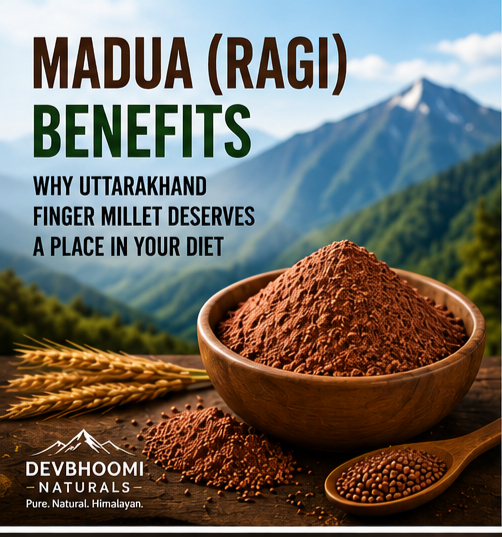
Madua (Ragi) Benefits: Why Uttarakhand Finger Millet Deserves a Place in Your Diet
Learn the benefits of Madua (Ragi), a traditional Uttarakhand finger millet known for its fibre, minerals and versatility in rotis, porridge and wholesome everyday meals.
Madua (Ragi) Benefits: Why Uttarakhand Finger Millet Deserves a Place in Your Diet
Madua, also known as Ragi or finger millet, is one of Uttarakhand’s most valued traditional grains. For generations, families in the hills have used Madua to make rotis, porridges and hearty everyday meals because it is filling, easy to store and naturally wholesome. Today, as more people look for millet-based foods and less refined grains, Madua is once again getting the attention it deserves.
In this guide, we’ll look at Madua benefits, its nutritional value, how it is used in Uttarakhand, and simple ways to include it in your daily diet. If you enjoy traditional Himalayan foods, you can also explore our Uttarakhand Superfoods guide for more regional grains and pulses.
What Is Madua?
Madua is the local Uttarakhand name for Ragi, also known in English as finger millet. It is a small-seeded millet traditionally grown in hilly regions because it adapts well to mountain conditions and stores well for long periods. In many homes, Madua has long been considered a practical staple because it can be turned into rotis, porridge, halwa and other nourishing dishes.
Madua Nutrition at a Glance
Madua is often valued as part of a balanced diet because it is naturally rich in several important nutrients. Depending on the variety and processing, finger millet is generally known for:
- Dietary fibre that can help make meals more filling
- Plant-based nutrients that fit well in vegetarian diets
- Minerals such as calcium and iron commonly associated with millets
- Complex carbohydrates that make it a practical grain for everyday meals
Instead of treating it like a miracle food, it’s better to think of Madua as a traditional whole grain that can help you diversify your diet beyond refined flour and polished grains.
Top Benefits of Madua (Ragi)
1. A wholesome alternative to refined grains
One of the biggest advantages of Madua is that it gives you a millet-based alternative to refined wheat flour or heavily processed packaged foods. When used in rotis, porridges or savoury dishes, it can bring more variety to everyday meals.
2. Naturally rich in fibre
Fibre-rich foods can help make meals more satisfying and support balanced eating habits. Madua rotis or porridges can be especially useful when you want a filling breakfast or lunch option.
3. Useful in vegetarian diets
Traditional Uttarakhand meals often combine grains and pulses, and Madua fits well into that style of eating. Pairing Madua roti with Gahath Dal or Kala Bhatt can create a more satisfying and balanced meal.
4. A versatile millet for many recipes
Madua can be used in sweet and savoury dishes. It works well in rotis, porridge, laddoos, dosa-style batters and even baked recipes when mixed with other flours. This makes it easier to include in your routine without feeling repetitive.
5. Traditional, local and practical
For a brand like Devbhoomi Naturals, Madua is important not just because of nutrition but because it represents the traditional food culture of Uttarakhand. Choosing regional grains also helps keep local food traditions alive.
Madua vs Ragi: Are They the Same?
Yes. Madua is the regional Uttarakhand name, while Ragi is the more widely used name in many parts of India. In English, it is called finger millet. If you see “Madua flour”, “Ragi flour” or “finger millet flour”, they are referring to the same grain, though quality, sourcing and freshness can vary by brand and region.
How to Use Madua in Daily Meals
If you’re new to Madua, start with simple dishes and then experiment further. Here are a few practical ideas:
- Madua roti: A classic Uttarakhand staple served with dal, sabzi or ghee.
- Ragi porridge: A warm breakfast option made with milk or water and lightly sweetened if you like.
- Multigrain atta mix: Mix Madua flour with wheat flour for softer everyday rotis.
- Cheela or dosa batter: Add Madua flour to savoury batters for more variety.
- Laddoos or halwa: A simple way to use finger millet in homemade sweets.
How to Cook with Madua Flour
Madua flour behaves a little differently from wheat flour because it contains no gluten. A few tips can help:
- For soft rotis, mix Madua flour with warm water and knead gently.
- If you are a beginner, start by mixing Madua with wheat flour instead of using 100% Madua.
- For porridge, roast the flour lightly first to improve aroma and texture.
- Store the flour in an airtight container in a cool, dry place.
Who Can Add Madua to Their Diet?
Madua can be a useful option for:
- Families looking to include more traditional grains in everyday meals
- People exploring millet-based alternatives to refined grains
- Vegetarians who want more variety in grains and flours
- Anyone interested in Uttarakhand’s regional food culture
What to Look for When Buying Madua
Whether you buy whole grain or flour, look for products that clearly mention the grain type, origin and packaging details. Freshness matters because millet flours can lose aroma over time if not stored well. If you’re exploring more traditional foods from the hills, also read our guides on Jhangora Millet and Pahadi Red Rajma.
Frequently Asked Questions About Madua
Is Madua the same as Ragi?
Yes. Madua is the Uttarakhand name for Ragi, which is also called finger millet in English.
How can I use Madua flour at home?
You can use it for rotis, porridge, laddoos, dosa-style batters and multigrain flour mixes.
What does Madua taste like?
Madua has an earthy, slightly nutty taste that works well in traditional rotis and porridges.
Can Madua be eaten daily?
It can be included as part of a balanced diet, just like other grains and millets, depending on your food preferences and overall diet.
Conclusion
Madua is one of Uttarakhand’s most practical and nutritious traditional grains. Whether you know it as Madua, Ragi or finger millet, it deserves a place in modern kitchens because it is versatile, filling and deeply rooted in Himalayan food culture. If you want to explore more regional grains, pulses and traditional foods, browse our guides on Uttarakhand superfoods, Kala Bhatt and Himalayan Red Rice.