

Editorial
Jhangora Millet: The Ancient Grain Making a Modern Comeback
Jhangora (barnyard millet) is Uttarakhand’s ancient super-grain — light, gluten-free, and perfect for khichdi, pulao, and traditional kheer. Discover benefits and recipes.
Jhangora, also known as Barnyard Millet, has been cultivated in the Himalayan region for centuries. Today, health-conscious consumers are rediscovering this nutritious ancient grain — not as a fad, but as a return to what hill communities never stopped eating.
Light, versatile, and naturally gluten-free, Jhangora (Barnyard Millet) from Devbhoomi Naturals brings authentic Uttarakhand nutrition to modern kitchens across India.
What Makes Jhangora Unique?
Jhangora is naturally light, nutritious, and versatile. The grains are tiny — almost like mustard seeds — but they cook into a fluffy, separate texture that works as a rice substitute, porridge base, or dessert ingredient.
Unlike polished white rice, jhangora retains its bran and germ. That means more fiber, more minerals, and slower energy release with every meal.
Nutritional Benefits
Jhangora delivers a balanced nutritional package:
- Fiber — supports digestion and satiety
- Minerals — including iron, phosphorus, and B vitamins
- Plant nutrients — antioxidants from the whole grain
- Complex carbohydrates — steady energy without sharp spikes
For families reducing refined grains, jhangora offers a practical swap — not a compromise on taste.
Traditional Importance
It has been a staple food in Uttarakhand households for generations. Jhangora appears during fasts, festivals, and recovery meals when the stomach needs something gentle. Hill mothers cook jhangora khichdi for children; elders prepare jhangora kheer for celebrations.
This grain survived in the mountains when industrial agriculture promoted wheat and polished rice everywhere else. That persistence is a sign of real nutritional value, not nostalgia alone.
Why Jhangora is Popular Today
Alternative to Refined Grains
Many people are replacing heavily processed foods with traditional grains. Jhangora fits the shift toward whole foods without requiring exotic imports or expensive superfood labels.
Easy to Cook
Jhangora can be prepared in:
- Porridge — sweet or savory breakfast
- Khichdi — with moong dal and vegetables
- Pulao — seasoned like rice pulao
- Desserts — especially the famous Jhangora Kheer
Most recipes need only rinsing, brief soaking, and 15–20 minutes of cooking — simpler than many people expect.
Suitable for Healthy Lifestyles
Its nutritional profile makes it attractive to health-conscious consumers. Fitness enthusiasts use jhangora as a complex carb source. Diabetic meal planners (with medical guidance) appreciate its lower glycemic impact compared to white rice. Gluten-free households rely on it as a safe grain option.
Traditional Jhangora Kheer
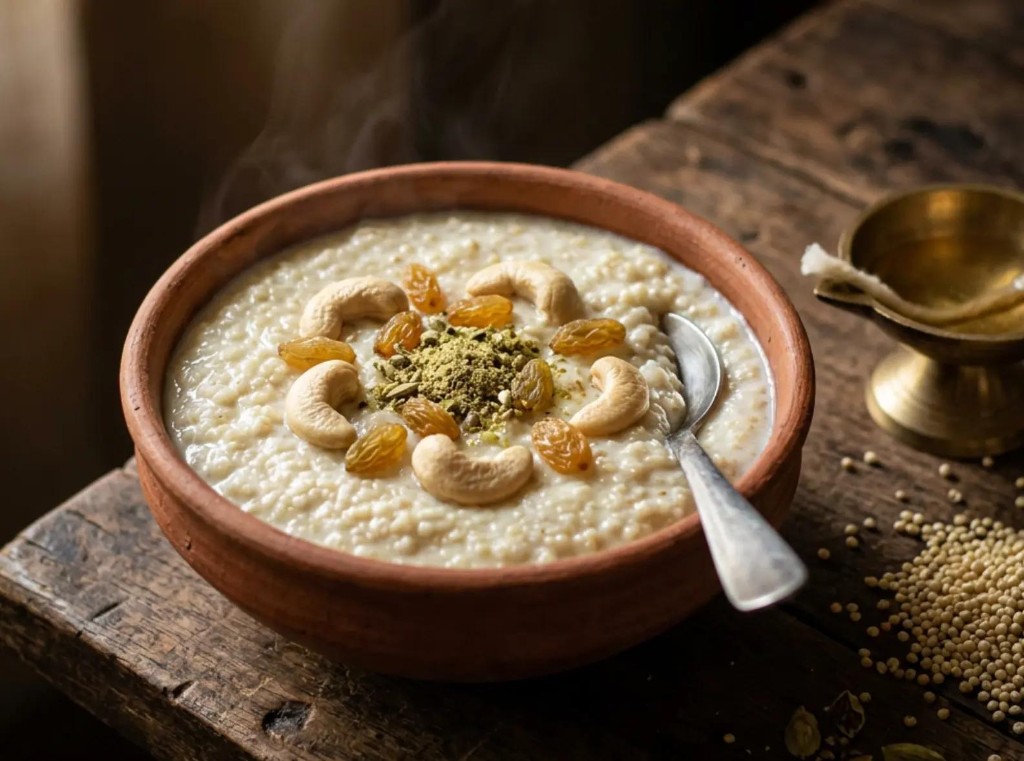
One of the most loved desserts from Uttarakhand is Jhangora Kheer, known for its rich taste and wholesome ingredients. Cooked jhangora simmers in milk with jaggery, cardamom, and garnishes of cashews and raisins until creamy. The result is a dessert that feels indulgent but is built on whole grain — the kind of sweet that grandmothers approved without hesitation.
Serve kheer warm during winter festivals or chilled in summer. Either way, it showcases why jhangora belongs in every pahadi pantry.
Jhangora vs Rice vs Madua
- Jhangora — lightest, easiest digestion, best for khichdi and kheer
- Pahadi Red Rice — everyday staple with more chew; see our Pahadi Red Rice
- Madua (Ragi) — denser, calcium-rich, ideal for rotis
Rotate all three across the week for grain diversity. Browse our Millets collection for Madua and more.
How to Cook Jhangora Millet
- Rinse 1 cup jhangora until water runs clear.
- Optional: soak 30 minutes for fluffier texture.
- Cook with 2.5 cups water — stovetop 15–18 min or pressure cooker 2 whistles.
- Rest covered 5 minutes, then fluff with a fork.
Pair with Gahath Dal curry for a complete traditional pahadi lunch.
FAQ
Is Jhangora easy to digest?
Many people find millet-based meals light and satisfying. Its small grain size and fiber profile make it gentler than heavy wheat meals — especially when cooked soft in khichdi or kheer.
Can Jhangora replace rice?
Yes, it can be used in many rice-based recipes. Use the same water ratio adjustments as brown rice. Expect a slightly nuttier flavor and lighter texture.
Is Jhangora gluten-free?
Yes. Barnyard millet is naturally gluten-free and safe for celiac diets when stored and cooked without cross-contamination.
How should I store Jhangora?
Keep in an airtight container in a cool, dry place. Use within 6–9 months for best freshness.
Conclusion
Jhangora is an ancient Himalayan grain that offers nutrition, versatility, and traditional goodness for modern lifestyles. Whether you start with a simple khichdi or the classic kheer, one meal is enough to understand why this grain is making a well-deserved comeback.
Bring Jhangora home today. Order Jhangora (Barnyard Millet) from Devbhoomi Naturals. Explore Pahadi Red Rice, Gahath Dal, and our full Uttarakhand food products range. Contact us at +91 9217732670.
Related Millet & Himalayan Food Guides
Buy Jhangora (Barnyard Millet) or explore our Millets collection.