

Editorial
Gahath Dal: The Forgotten Himalayan Superfood for Modern Health
Gahath Dal (horse gram) is Uttarakhand’s forgotten superfood — rich in protein, fiber, and minerals. Learn benefits, recipes, and why modern diets need this Himalayan pulse.
Gahath Dal, also known as Horse Gram or Kulthi, has been a part of Himalayan cuisine for generations. Today, as people search for natural and nutrient-rich foods, Gahath Dal is gaining recognition as a powerful traditional superfood — one that hill families never forgot, even when the rest of India moved toward polished dals and instant meals.
At Devbhoomi Naturals, our Pahadi Gahat Dal comes from Uttarakhand's high-altitude farms, where this hardy lentil has been grown without chemicals for centuries. This guide explains why gahath deserves a comeback in your kitchen.
Why Gahath Dal is Special
Unlike heavily processed foods, Gahath Dal is a simple, wholesome ingredient packed with natural nutrition. It grows where other crops struggle — on marginal land, with minimal water — and still delivers one of the highest protein concentrations among Indian pulses.
In Garhwal and Kumaon, gahath is not a health trend. It is winter food, festival food, and recovery food after long days of physical labour in the mountains.
Rich Source of Plant Protein
Protein supports muscle maintenance and daily nutritional needs. Gahath dal contains significantly more protein than arhar or masoor, making it invaluable for vegetarians, athletes, and anyone building meals around plant-based nutrition.
A single bowl of well-cooked gahath with Pahadi Red Rice provides a complete amino acid profile when paired with grains — the same principle behind classic dal-chawal, amplified.
High Fiber Content
Fiber contributes to satiety and digestive health. Gahath's dense fiber structure keeps you full longer, supports regular bowel movement, and feeds beneficial gut bacteria when cooked thoroughly after soaking.
Naturally Nutrient Dense
Gahath Dal contains:
- Iron — supports oxygen transport and energy
- Calcium — contributes to bone health
- Protein — among the highest in the pulse family
- Fiber — for digestion and weight management
- Essential minerals — phosphorus, molybdenum, and more
These nutrients arrive together in one ingredient — not from supplements, but from soil, season, and traditional farming.
Popular Traditional Uses
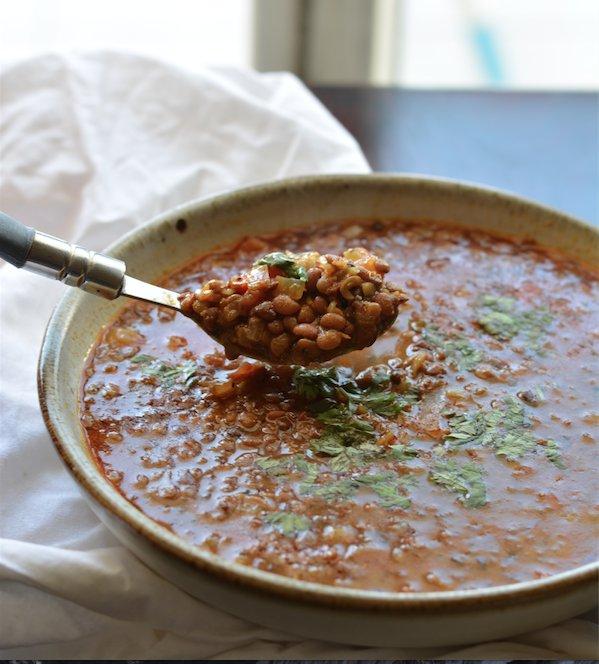
Gahath Dal Soup
A comforting Himalayan recipe traditionally enjoyed during winter. Soaked gahath is pressure cooked with turmeric, garlic, and cumin, then finished with coriander and lemon. Light on the stomach yet deeply nourishing — hill families serve this to anyone recovering from illness or cold weather fatigue.
Gahath Dal Curry
A hearty meal paired with rice or rotis. The dal is slow-cooked with onion, tomato, ginger, and local spices until creamy. In Kumaon, gahath curry with steamed rice is Sunday lunch in many homes — simple, honest, and satisfying.
Gahath Ke Pakode
Soaked and coarsely ground gahath mixed with spices, shaped into fritters, and shallow fried. A festival snack that turns this superfood into celebration food without losing its nutrition.
Why Modern Consumers Love Gahath Dal
Supports Active Lifestyles
The nutrient profile makes it suitable for people seeking healthy food choices. Gym-goers, hikers, and busy professionals are rediscovering gahath because it delivers sustained energy without processed additives.
Traditional Meets Modern
Gahath Dal fits well into modern healthy eating patterns. Use it in Buddha bowls, protein-rich salads, or meal-prep containers alongside roasted vegetables. The traditional ingredient adapts to contemporary kitchens without losing its identity.
Winter Wellness Food
Ayurvedic and folk traditions in Uttarakhand associate gahath with body warmth and kidney health. While not a medical treatment, its role in seasonal wellness diets has persisted for good reason — it works as everyday nourishment.
Gahath vs Common Dals
- Protein: Higher than masoor and arhar
- Cooking: Requires overnight soak and longer pressure cooking
- Flavor: Earthy, robust — pairs well with bold spices
- Season: Peak consumption in winter; excellent year-round
Rotate gahath with Kala Bhatt and rajma through the week for diverse plant protein sources.
How to Cook Pahadi Gahat Dal
- Rinse 1 cup gahath and soak overnight (10–12 hours).
- Discard soak water. Pressure cook with fresh water, salt, and turmeric (6–7 whistles).
- Temper ghee with cumin, garlic, dry red chilli, and jamboo if available.
- Simmer 15 minutes. Serve with Pahadi Red Rice or millet.
Shop authentic Pahadi Gahat Dal from our Pahadi-Pulses collection.
FAQ
Can Gahath Dal be included in weight management diets?
Its protein and fiber content may help promote fullness. Replacing one heavy dinner a week with gahath soup or curry can reduce overall calorie intake without feeling deprived — when combined with vegetables and controlled portions.
Is it suitable for daily consumption?
It can be enjoyed regularly as part of a balanced diet. Most nutritionists recommend rotating pulses rather than eating the same dal daily — include gahath 2–3 times per week alongside other dals from our Uttarakhand food range.
Is Gahath Dal the same as Horse Gram?
Yes. Gahath, gahat, kulthi, and horse gram refer to the same lentil (Macrotyloma uniflorum). Pahadi Gahat from Uttarakhand hills is prized for aroma and cooking quality.
How should I store dried Gahath Dal?
Keep in an airtight container in a cool, dry place. Use within 8–12 months. Avoid moisture and direct sunlight.
Conclusion
Gahath Dal combines tradition, nutrition, and taste. It is one of the most underrated foods from Uttarakhand and deserves a place in every healthy kitchen — whether you cook it the way your grandmother did or adapt it for modern meal prep.
Rediscover this Himalayan superfood. Order Pahadi Gahat Dal from Devbhoomi Naturals. Pair with Kala Bhatt and Pahadi Red Rice for a complete pahadi pantry. Contact us at +91 9217732670.
Related Pahadi Pulse Guides
Buy Gahath Dal or browse our Pahadi Pulses.