

Editorial
Kala Bhatt Benefits: Nutrition, Health Benefits & Pahadi Recipes
Discover Kala Bhatt benefits, nutritional value, and traditional Uttarakhand recipes. Learn how this protein-rich Himalayan black soybean supports a balanced diet and adds authentic Pahadi flavour to everyday meals.
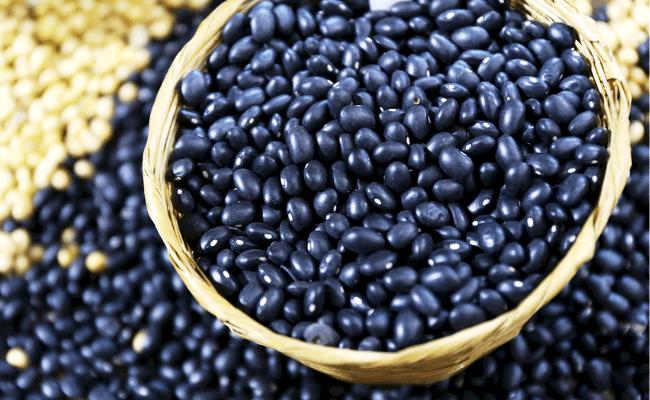
Uttarakhand's mountain cuisine is built around ingredients that are practical, nourishing and deeply connected to local farming. One such ingredient is black bhatt, a dark-skinned soybean traditionally grown in the Himalayan region and used in everyday Kumaoni cooking.
Known for its earthy flavour and firm texture, this legume is particularly valued in slow-cooked curries and traditional dal preparations. Unlike many commonly used pulses, soybeans contain substantial amounts of both protein and fat, giving them a distinctive nutritional profile.
Devbhoomi Naturals brings this regional ingredient to households looking to explore authentic Uttarakhand food.
What Makes Himalayan Black Soybean Different?
Locally known as pahadi bhatt, this traditional soybean is associated with the agricultural and culinary heritage of Uttarakhand.
Its dark outer skin, earthy taste and ability to absorb spices make it suitable for regional dishes. When cooked thoroughly, the beans develop a tender texture while retaining their characteristic flavour.
Devbhoomi Naturals sources its soybeans from Uttarakhand farmers and carefully selects and packs them for household use.
The product is available in 500 g and 1 kg pack options, making it suitable for occasional traditional cooking or regular family meals.
Nutritional Value and Health Benefits
Soybeans are recognised for their plant-based protein, dietary fibre and unsaturated fat content. They also contain minerals such as iron, magnesium and potassium.
According to USDA FoodData Central, mature raw soybeans typically contain approximately 36 g of protein per 100 g. This figure refers to generic raw soybeans, not a laboratory-tested nutritional value for this specific product.
Why Include Soybeans in Your Diet?
-
Plant-based protein: Contributes to muscle maintenance and normal tissue repair.
-
Dietary fibre: Supports digestive health and contributes to fullness.
-
Unsaturated fats: Provide an alternative fat source within a balanced diet.
-
Essential minerals: Supply nutrients involved in normal bodily functions.
-
Versatile preparation: Suitable for traditional curries, dals and vegetarian meals.
The nutritional value of a finished dish depends on the quantity consumed, cooking method and additional ingredients.
Traditional Kumaoni Recipes Worth Trying
How Is Bhatt Ki Churkani Prepared?
bhatt ki churkani is a traditional Kumaoni curry known for its thick consistency, roasted flavours and warming spices.
The beans are commonly roasted before being simmered with seasonings. Some preparations use wheat flour to thicken the gravy, while others rely on the beans and cooking liquid.
Garlic, cumin, turmeric and local spices contribute to its characteristic flavour.
It is usually served with steamed rice, making it a satisfying traditional meal.
How to Make Kala Bhatt Dal at Home
A simple kala bhatt ki dal can be prepared with a few familiar kitchen ingredients.
-
Rinse the soybeans thoroughly to remove dust and impurities.
-
Soak them in clean water for 8–12 hours.
-
Drain the soaking water and transfer the beans to a pressure cooker.
-
Add fresh water and cook until completely tender.
-
Prepare a tempering with garlic, cumin, turmeric and your preferred spices.
-
Combine everything and simmer until the flavours develop.
Cooking times vary depending on the age of the beans and the pressure cooker used. Never serve soybeans undercooked.
Why Choose Devbhoomi Naturals?
Devbhoomi Naturals focuses on traditional Himalayan grains and pulses sourced from Uttarakhand.
Its black soyabean product is selected and packed to retain its characteristic flavour and make regional ingredients accessible to modern households.
Customers searching for pure and organic food should distinguish between natural sourcing practices and certified organic production. Organic certification should be verified through the relevant product documentation rather than assumed.
The brand's emphasis on traditional ingredients also supports continued interest in Uttarakhand's regional food heritage.
Storage and Everyday Cooking Tips
Store bhatt dal in an airtight container away from moisture, direct sunlight and excessive heat.
Before cooking, inspect the beans, rinse thoroughly and soak as recommended.
For a complete meal, serve the cooked soybeans with rice, seasonal vegetables or Mandua Roti. Combining different ingredients provides a wider range of nutrients and flavours.
Frequently Asked Questions
1. What is Himalayan black soybean?
It is a dark-skinned variety of soybean traditionally used in Uttarakhand cuisine. It is particularly popular in Kumaoni curries and dal preparations.
2. Is this soybean a good source of protein?
Yes. Soybeans are naturally rich in plant-based protein. The exact protein content of a prepared serving depends on its quantity and cooking method.
3. How long should the beans be soaked?
An overnight soak of approximately 8–12 hours is generally recommended before pressure cooking until completely tender.
4. What is the difference between regular dal and this Himalayan soybean?
Unlike many commonly consumed lentils, soybeans have a higher fat content and a distinctive texture. They also require thorough cooking.
5. Can it be eaten regularly?
Yes, properly cooked soybeans can form part of a varied diet for people who tolerate soy. Anyone with a soy allergy should avoid them.
6. What does dal bhatt ki mean in traditional cooking?
The phrase dal bhatt ki may be used informally when discussing dal made from these regional beans. In Kumaoni cuisine, the ingredient is particularly associated with traditional soybean curries.
Bring Traditional Himalayan Flavours to Your Kitchen
Uttarakhand's food traditions offer more than familiar recipes. They introduce ingredients with distinctive flavours, practical cooking uses and a long connection to mountain agriculture.
Whether preparing a traditional curry or experimenting with a new vegetarian meal, Himalayan soybeans offer an interesting addition to the kitchen.